Wednesday, 23 July 2014

When you find something new

Have you ever heard of round leaved fluellen? Or seen it?
I certainly hadn't then there it was creeping across the ground when I was surveying the field round the lake at Standlake Common to see how last year's green hay spreading has worked. 


It is hard to say at the moment how successful the green hay spreading has been but there is a vast amount of yellow rattle with a lot of tufted vetch, common knapweed, scentless mayweed and black medick. Hopefully, next spring there will be a cowslip or two and a green winged orchid. Thanks to the trainee botanists for their help as we start to build up a record of species on the site. Thanks also to the tutors at the Ashmolean Natural History Society for their excellent introduction to botanical identification and showing us how much it requuires patience and methodical working through in often minute detail. Maybe next year we will be able to tell our hawkbits from our hawk's-beards more easily and can tackle the grasses as well.

Monday, 21 July 2014

August Tuesdays at Rushy Common Pond dipping and bird watching


Following the great enthusiasm shown in May I am running Tuesday afternoon sessions throughout August at Rushy Common and Tar Lakes. 2-5pm.
The bird hide will be open and we will have pond dipping, nature trail and bug hunts as well.
Please book if you can think that far ahead or just come along. Email: lwvp@oxfordshire.gov.uk or call 01865 815426


Work experience

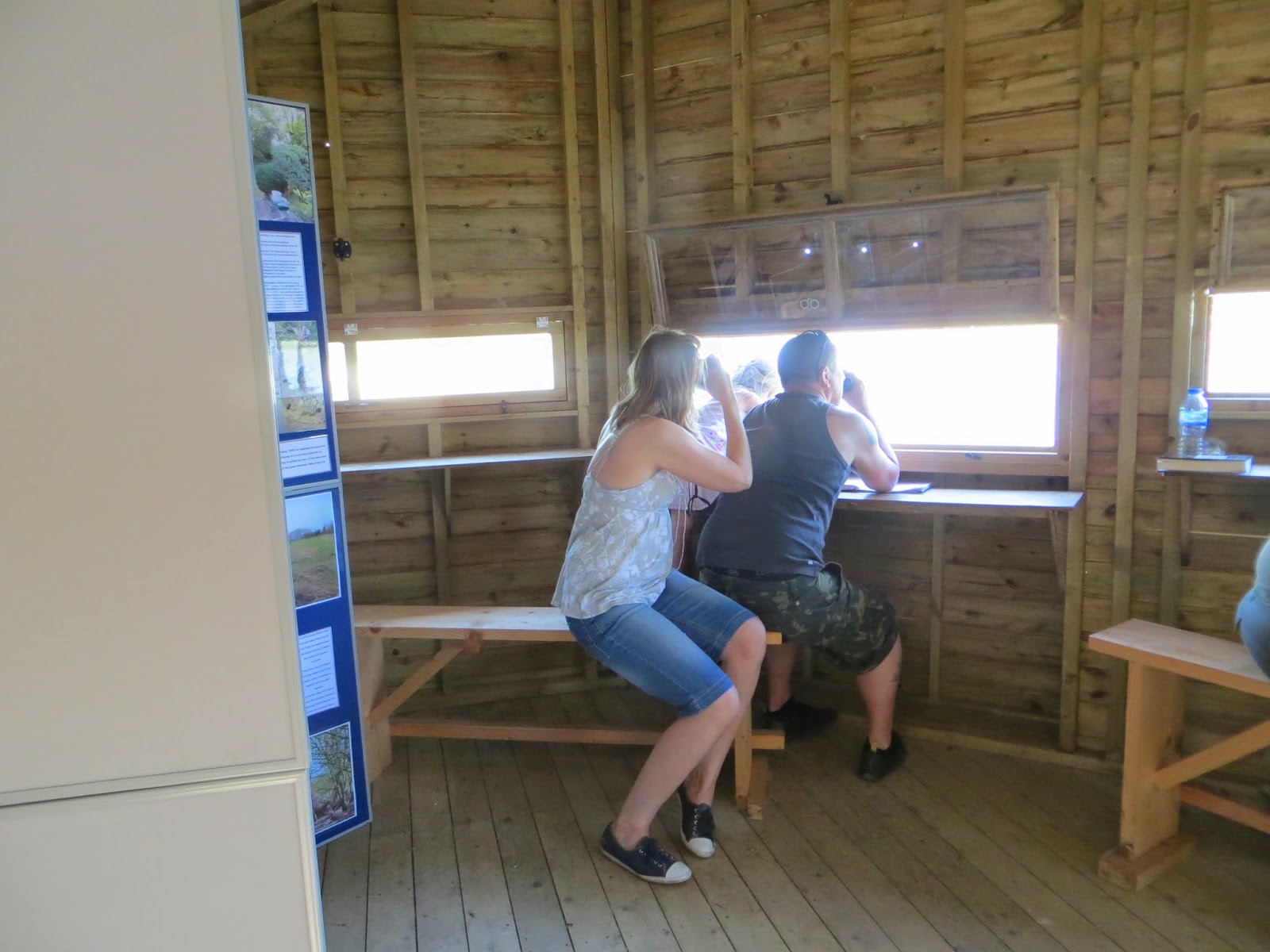
Thanks to Will and Ben from Henry Box school the hide at Standlake is looking a bit cleaner and the view out is clear again. They worked really hard sweeping the boardwalk and the hide and cleaning the windows; I didn't like to tell them that the spiders will take over again very shortly.
 

They thought they had done most of the work by lunchtime but found that clearing the Windrush Path down towards Newbridge was even harder work especially as the sun had come out with a vengeance.

But they did really well and then said it was the hardest they had ever worked. Thanks also to Angus for bringing them along, and Jack who is going to work with me on a variety of projects over the summer, once his blisters have healed up. I continued my mission to introduce people to scything and they all took to it with great enthusiasm. I think Angus is going to have to buy his own, it is addictive!

Tuesday, 20 May 2014

Discovering Rushy Common and Tar Lakes.

Thanks to beautiful weather and brilliant volunteers many more children (and their parents) have been drawn into the joys of pond dipping and bug hunting.


Tar Lake was absolutely brimming with toad tadpoles, caddis fly larvae, black fly nymphs, young fish including roach and a pike that looked ferocious even though it was only two inches long, snails and water boatmen. And that was just some of the creatures in the water!


Along the shore and in the bushes were early damselflies, caddis flies, fabulous irridescent dock beetles, mayfly and brimstone and orange tip butterflies.

 
In the bird hide we could see about thirty common tern putting on their best aerial displays across the lake and setting up their nest sites on the islands. The pair of oystercatchers were working flat out to protect their four chicks from the carrion crow and by the end of the weekend they still have their full complement of four which are growing bigger and stronger and more able to defend themselves every day. A cuckoo was calling for much of the day and a lucky few saw one fly over the lake in the afternoon.


Great thanks to Harry, Jude and Angus for their enthusiasm on the lake side and to Keith and Alison for help in the bird hide. It was a great delight to be able to introduce so many people to the site as many of them had not visited before but will hopefully be back again soon.


Wednesday, 7 May 2014

Botany with the Ashmolean Natural History Society at Langley's Lane SSSI

We had a perfect day for our first session with the Ashmolean Natural History Society tutors Frances and Susan. After introductions to terminology and the basic naming of parts in the bird hide we took advantage of  the bright spring sunshine to sit in the beautiful meadow of Langley's Lane SSSI. We were surrounded by cowslips, green winged orchids, buttercups and many others not yet in flower.
Having got started on cowslips and three different species of buttercup we thought we had found an easy one with the green winged orchid. It was obviously an orchid and with the help of our hand lenses we could see the outer petals with the green veins hence the name of green winged orchid. But nothing is that easy and like many other species the variation in colour can be quite extensive, and the green winged orchid can vary from an intense purple to almost white.
 

It helps to be a botanist if you can get close to your subject and we all had to practise the classic botanists working position.


Thanks to Malcolm for some excellent photographs. He will be well placed for creating his own personal file of records which is an important part of becoming a fully fledged botanist. Luckily for several of us artistically challenged enthusiasts it is no longer necessary to draw the plants as digital photographs can do such a good job. But I think there is no replacement for the detailed observation that drawing requires even if the hand doesn't follow the eye very well.

Next month we will be looking at dandelions and other plants that will be in flower then as well as grasses and sedges. I think the tutors started us off very gently on Saturday.


Wednesday, 30 April 2014

Students clearing tree guards at Dix Pit

There isn't a great deal of work that is suitable for the Abingdon and Witney College gang at this time of year so they were really pleased to be able to do some work on the edge of Dix Pit removing some very old and battered tree guards.


Over the last few months they have become a very good team helping each other and working out the best way to do things together. We found that one of the jobs required was to stand up some smaller trees that were leaning over So a suitable sized rock was found to hammer the stakes back in the ground, ("don't forget the hammer next time Jane")
The students and staff always enjoy their lunch break and as none of them had been to the Devil's Quioits this was the obvious lunch spot. They all enjoyed the sun and space and found the stones and ditches very interesting as they have been studying  the First World War and life in the trenches.


The staff relaxed looking at the cloud formations and finding old bones that were probably mostly rabbit judging from the number running around and the burrows in the banks.
Another session after lunch shifted enough tree guards and stakes to fill my car for a trip to the tip and everyone said they would like to come back another day.  The students are never so happy as when they are outside and their work makes a real difference as it has to the appearance of these little copses of trees.


Tuesday, 29 April 2014


     Exploring Rushy Common Nature Reserve and Tar Lakes

Saturday 17th and Sunday 18th May 12.00-4.00pm


Rushy Common Nature Reserve 
Stanton Harcourt Road, Cogges.
nearest post code OX29 6UJ
 
Pond dipping, open bird hide, nature trail, bug hunt
       

Free Event: Booking essential

Contact Jane Bowley, LWVP Project Officer for more details on 01865 815426 or

email: lwvp@oxfordshire.gov.uk